From Aspiration to Action: How Community-LedInitiatives Drive Sustainable Change
-
by
Editor
- No Comments on From Aspiration to Action: How Community-LedInitiatives Drive Sustainable Change
In a small village tucked away from the noise of urban progress, there was once a familiar story—of dreams that rarely traveled beyond conversations. Young people spoke of opportunities, women spoke of independence, and elders spoke of change—but somewhere between aspiration and action, reality stood still.
This is not the story of one village. This is the story of thousands across India.
For decades, development has often been imagined as something that arrives from the outside—through policies, funding, or institutional interventions. While these efforts are crucial, the real transformation begins when communities themselves become the architects of their own change.
At Asar Foundation, we believe that true and sustainable impact is not delivered—it is built, owned, and sustained by the community itself.
The Gap Between Aspiration and Reality
India is not short of aspiration. From rural youth dreaming of dignified employment to women envisioning financial independence, the desire for a better future is widespread and deeply rooted.
Yet, what often limits progress is not a lack of intent—but a lack of access, structure, and collective action.
- Access to skills and opportunities
- Access to information and digital tools
- Access to networks and mentorship
Without these, aspiration remains a silent force—powerful, but unrealized.
When Communities Lead, Change Sustains
There is a fundamental difference between aid and agency.
- Aid solves a problem temporarily.
- Agency ensures the problem doesn’t return.
Community-led initiatives shift the narrative from:
“What can be done for them?” to “What can be built with them?”
This subtle shift transforms beneficiaries into stakeholders. When local communities participate in identifying problems, designing solutions, and executing initiatives, three powerful things happen:
A Story of Transformation
Consider a group of women who had never stepped beyond household responsibilities. Financial independence was a distant idea—something seen in television stories, not lived realities.
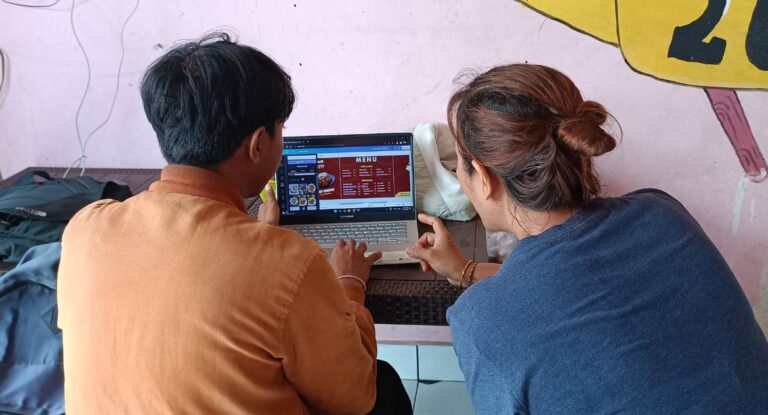
Through collective efforts—small skill-building sessions, peer learning, and consistent mentorship—these women began producing goods, managing small finances, and eventually contributing to their household incomes.
But the real transformation was not economic.
It was psychological.
- Confidence replaced hesitation
- Decision-making replaced dependency
- Voice replaced silence
Soon, their children saw education differently. Their families saw possibilities differently. And their community saw women differently.
This is the ripple effect of community-led change.
Why Top-Down Models Often Fall Short
Traditional development models often follow a top-down approach—where solutions are designed elsewhere and implemented locally.
While well-intentioned, these models sometimes fail because:
- They do not fully align with local realities
- They lack long-term engagement
- They create dependency instead of empowerment
Sustainable change cannot be imposed. It must be co-created.
The Role of Organizations: Enablers, Not Controllers
At Asar Foundation, we see ourselves not as providers of solutions—but as facilitators of change. Our role is to:
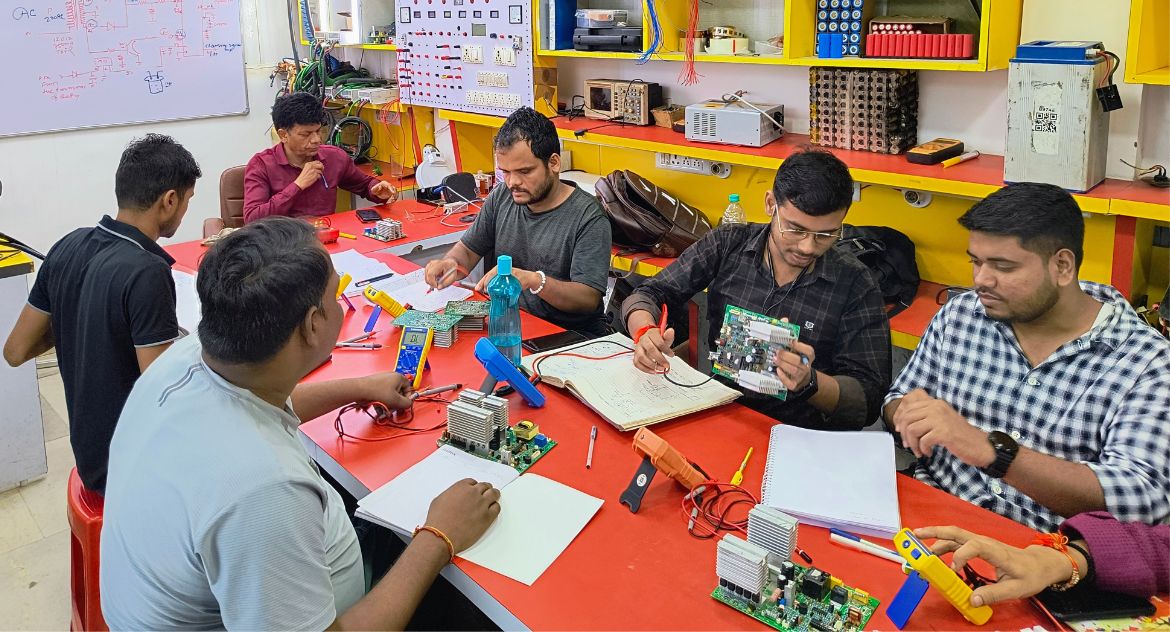
- Enable access to knowledge and resources
- Build capacity within communities
- Create platforms for collaboration
- Strengthen local leadership
Because the most powerful solutions are those that continue even in the absence of the organization that initiated them.
Building Ecosystems, Not Isolated Solutions
Real impact is not created through isolated interventions. It is built through ecosystems. For example:
- Skill development without market linkage fails
- Education without mentorship lacks direction
- Digital access without literacy remains unused
Community-led initiatives naturally evolve into ecosystems because they are interconnected by lived realities.
The Power of Collective Action
An individual can create change, But a community can sustain it. When people come together:
- Knowledge multiplies
- Efforts amplify
- Risks reduce
Collective action transforms small steps into large movements.
A Vision for the Future
Imagine a country where:
- Every community identifies and solves its own challenges
- Every individual contributes to collective progress
- Every initiative is rooted in participation, not dependency
This is not an idealistic vision. It is a practical pathway.
And it begins with one simple principle:
Involve the community, and the change will last.
Conclusion: From Aspiration to Ownership
Sustainable change is not about how many projects are executed. It is about how many people are empowered to create change themselves. Because when communities move:
- Progress accelerates
- Impact deepens
- Change sustains
At Asar Foundation, we are committed to transforming aspiration into action—and action into lasting impact.
Not by leading from the front, But by walking alongside communities as they lead their own journey.