Women’s Economic Empowerment: A Key Driver of Community Development
 Editor
Economic empowerment of women is widely recognized as one of the most effective strategies for achieving inclusive and sustainable development. Beyond individual benefits, it has far-reaching implications for families, communities, and economies.
1. Defining Economic Empowerment
Economic empowerment refers to the ability of women to:
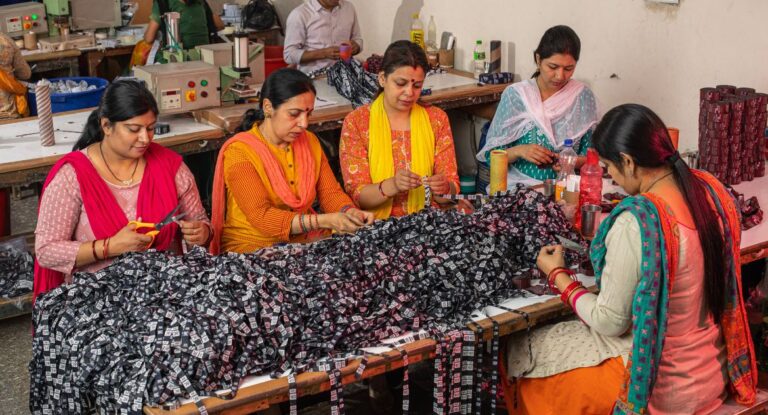
- Participate in economic activities
- Access financial resources
- Make independent financial decisions
It is both a means and an end—enabling women to improve their own lives while contributing to broader societal progress.
2. Impact on Household Dynamics
When women earn and control income, household priorities often shift toward long-term well-being. Studies consistently show that:
- Spending on education and healthcare increases
- Nutritional outcomes improve
- Financial stability strengthens
This demonstrates that women’s economic participation directly influences human development indicators.
3. Barriers to Participation
Despite its importance, women’s participation in the workforce remains constrained by multiple factors.
- Societal norms and gender roles
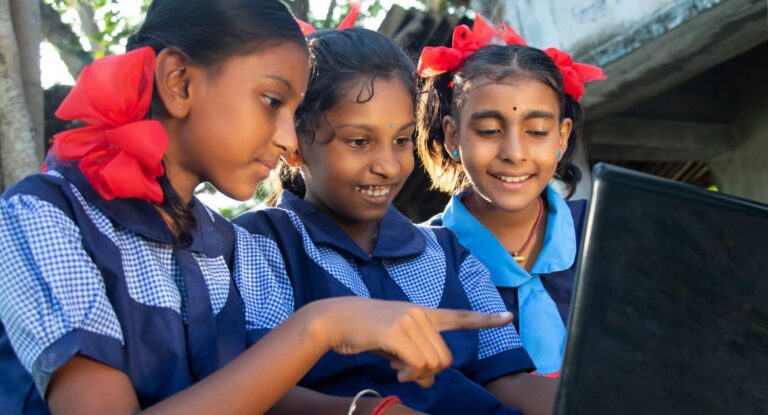
- Limited access to education and skills
- Lack of financial inclusion and credit access
Addressing these barriers requires both structural reforms and cultural change.
4. The Role of Collective Models
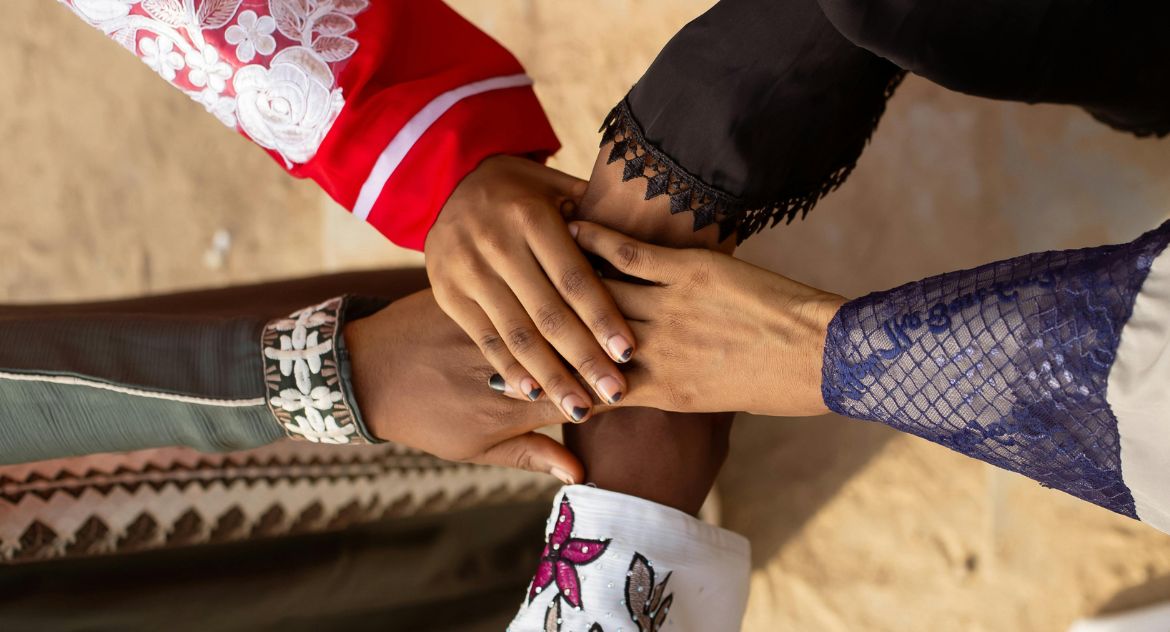
Community-based models such as self-help groups have proven effective in promoting women’s empowerment. These models:
- Provide access to credit
- Encourage peer learning
- Build social capital
They create environments where women can collectively overcome challenges and build confidence.
5. Economic Empowerment as a Development Multiplier
The benefits of empowering women extend beyond individual households. Communities with higher female participation in economic activities tend to experience:
- Greater economic resilience
- Improved social cohesion
- Enhanced local governance
Conclusion
Women’s economic empowerment is not just a matter of equality. It is a strategic imperative for development.
Because when women are empowered, communities do not just grow—they transform.