The Role of Skill Development in Reducing Youth Unemployment in India
 Editor
India stands at a critical demographic juncture. With one of the largest youth populations in the world, the country possesses an unparalleled opportunity to drive economic growth and innovation. However, this potential is accompanied by a pressing challenge—youth unemployment.
The issue is not merely the absence of jobs. It is the growing disconnect between education, employability, and industry requirements.
1. Understanding the Employment Paradox
India produces millions of graduates each year, yet a significant proportion of them struggle to find meaningful employment. This paradox highlights a structural imbalance.
- Academic education often emphasizes theoretical knowledge over practical application.
- Rapid technological advancements outpace traditional curriculum updates.
- Industry expectations increasingly prioritize adaptability, problem-solving, and domain-specific skills.
As a result, many young individuals find themselves qualified on paper but unprepared for real-world demands.
2. Skill Development as a Strategic Intervention
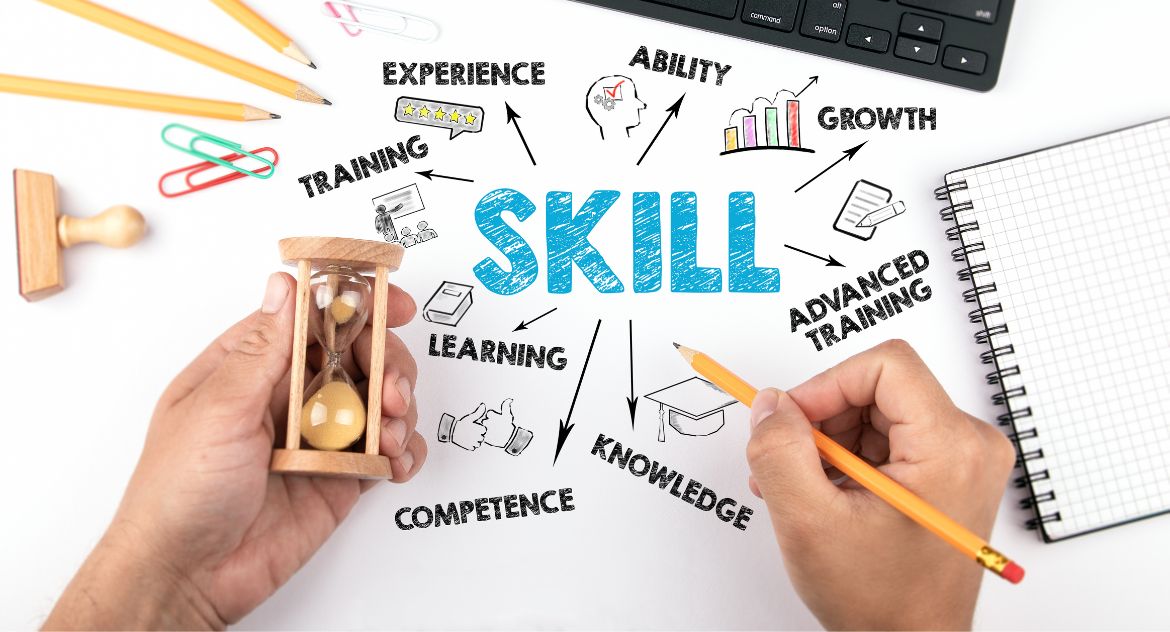
Skill development serves as a critical bridge between education and employment. It equips individuals with competencies that are directly aligned with market needs. Effective skill development programs focus on:
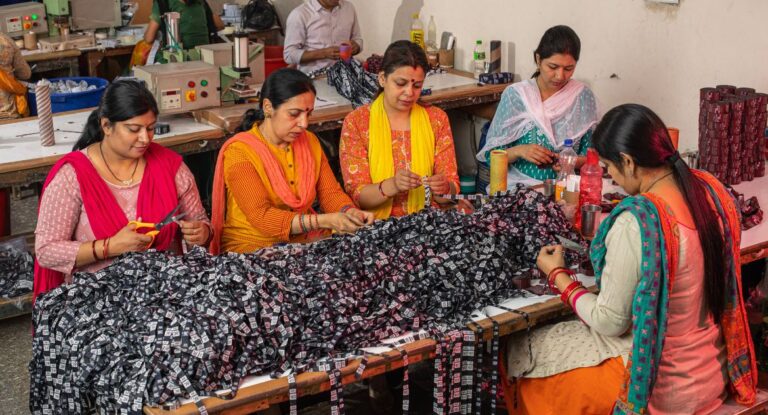
- Industry-relevant training
- Hands-on learning experiences
- Soft skills such as communication and teamwork
Such interventions not only enhance employability but also foster entrepreneurial capabilities.
3. The Role of Vocational Training Ecosystems
Vocational training has emerged as a key component of skill development strategies. However, its effectiveness depends on the creation of robust ecosystems. This includes:
- Collaboration between training institutions and industries
- Certification systems that are recognized by employers
- Continuous upskilling opportunities
Without these elements, vocational training risks becoming fragmented and ineffective.
4. Bridging Urban-Rural Disparities
One of the significant challenges in skill development is the uneven distribution of opportunities.
Urban areas often have better access to training centers, mentorship, and employment networks, while rural regions remain underserved.
Addressing this disparity requires:
- Decentralized training models
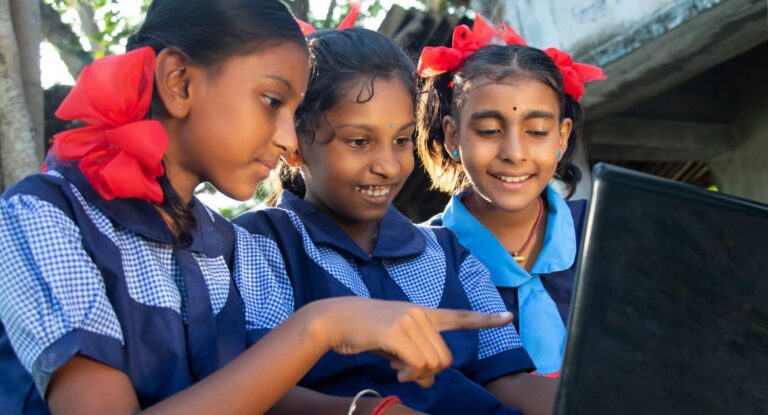
- Digital platforms for remote learning
- Community-based skill initiatives
Such approaches ensure that opportunities are not limited by geography.
5. The Role of Mentorship and Industry Exposure
Skill acquisition alone is insufficient without guidance and exposure. Mentorship plays a crucial role in helping youth navigate career pathways and make informed decisions.
Industry exposure through internships, apprenticeships, and live projects further enhances employability by providing practical insights.
6. Policy Implications and the Way Forward
For skill development to effectively reduce unemployment, it must be integrated into a broader policy framework.
This includes:
- Aligning education systems with industry needs
- Incentivizing private sector participation
- Promoting entrepreneurship as an alternative pathway
Conclusion
Youth unemployment is not an inevitable challenge—it is a solvable one. By investing in skill development, India can transform its demographic advantage into a driver of sustainable growth.
Because the true measure of education is not just knowledge acquired, but opportunities created.